


The pitch, in one number
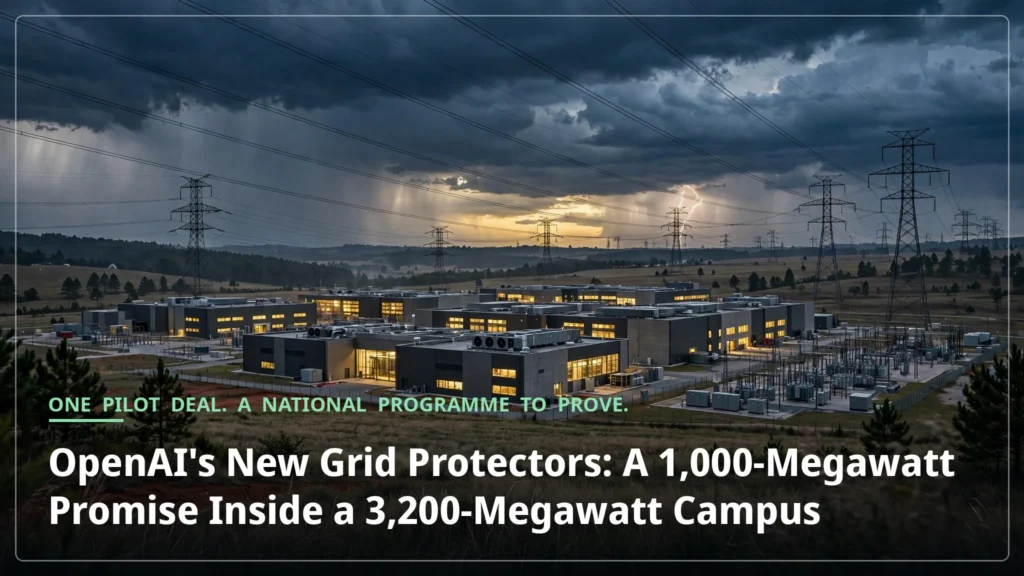
OpenAI has given its next argument for building very large campuses a name, a pilot site and a number. The name is the OpenAI Grid Protectors Program, announced on 2 November 2026. The pilot site is a planned campus in Effingham County, Georgia. The number is 1,000 megawatts: the amount of power OpenAI says the Georgia site will be able to free up during extreme weather or emergencies.
OpenAI puts that figure in household terms, equating it with the average electricity demand of roughly 700,000 households. That is a vivid comparison, and it is doing a lot of work. It invites the reader to picture a campus that gives power back when neighbours need it most, rather than a campus that simply takes power all the time. The rest of the announcement, read carefully, is more specific, more conditional and more interesting than the headline suggests.
What is actually agreed in Georgia
The Georgia part of the story is not new, and that matters. Georgia Power announced the underlying deal on 22 July 2026. The facility, known as Project Camellia, is expected to need approximately 3,200 megawatts, with contracted power delivered in phases between 2028 and 2032. Under a 25-year agreement, the utility can reduce the power delivered to the facility by up to 1,000 megawatts during periods of high demand, to support grid stability.
Georgia Power said on 26 August 2026 that the contract had been approved through the Georgia Public Service Commission process. OpenAI has committed to pay the full infrastructure and electric-service costs required to serve the site, and to give financial assurances meant to protect other customers.
Put those two numbers side by side and the shape of the promise becomes clear. A 1,000-megawatt reduction from an expected 3,200-megawatt load is a substantial flexibility, just under a third of the site’s expected demand. It is not the campus coming off the grid. During a full cut, a fully built site would still draw about 2,200 megawatts. The programme trims the peak. It does not erase the load.
Who pays, and when
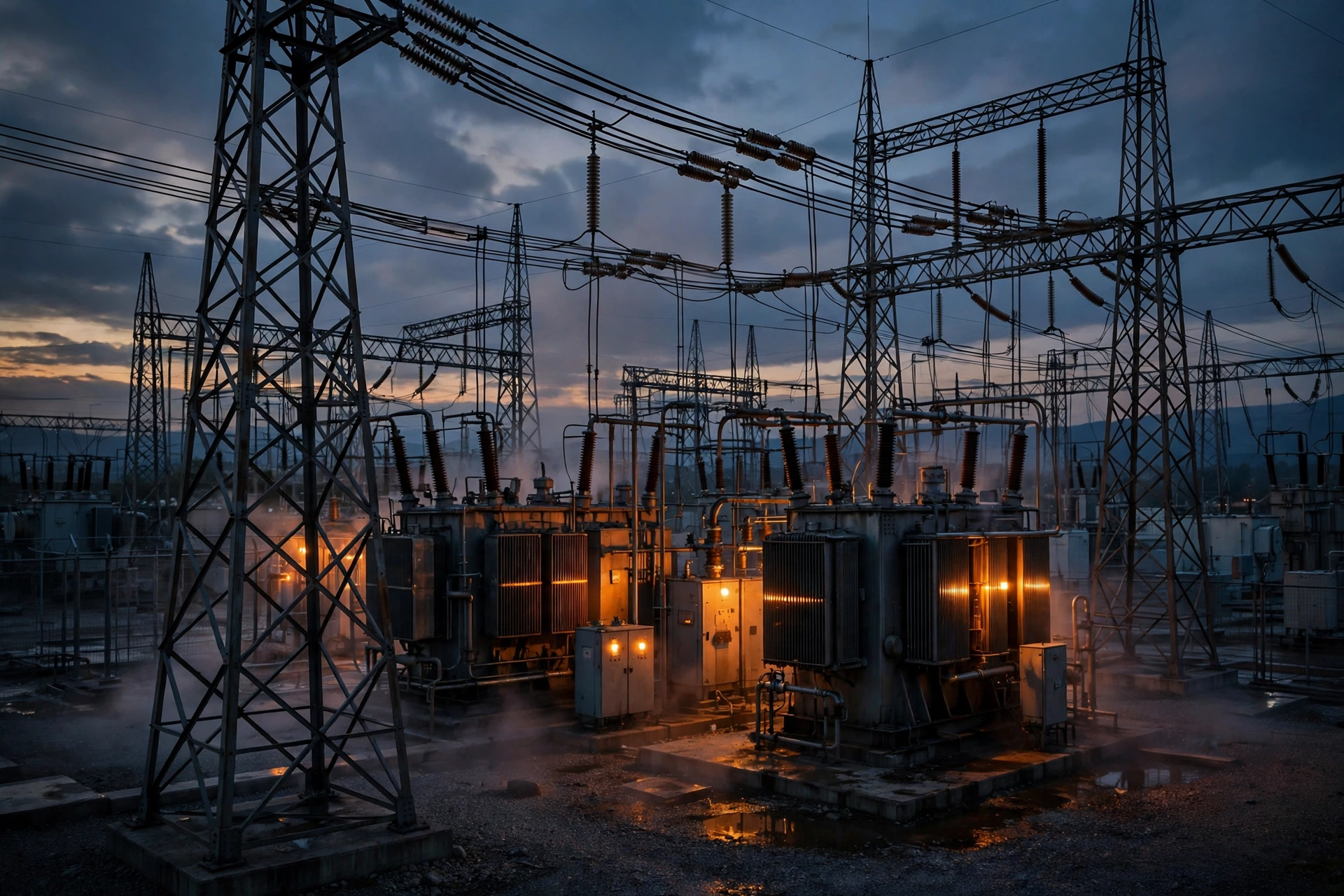
The cost commitment is straightforward: OpenAI has committed to pay the full infrastructure and electric-service costs for the Georgia site, with financial assurances meant to protect other customers.
Georgia Power’s savings projection needs the same careful reading. The utility projects approximately $950 million in annual customer savings beginning in 2029, from its portfolio of large-load agreements and expected growth, including Project Camellia. That is a portfolio figure, not a figure for the Effingham campus alone. The utility estimates a benefit of at least $15 a month for a typical residential customer using 1,000 kilowatt-hours a month. It does not start until 2029, and the campus itself remains in development, with power delivered in phases between 2028 and 2032. A reader in Georgia should not expect a lower bill from this arrangement before then, on the basis of these figures alone.
That is not a reason to dismiss the arrangement. A long-term contract, full payment of the infrastructure costs for the site, and financial assurances for other customers are real protections, if they hold.
A national programme, so far with one set of terms
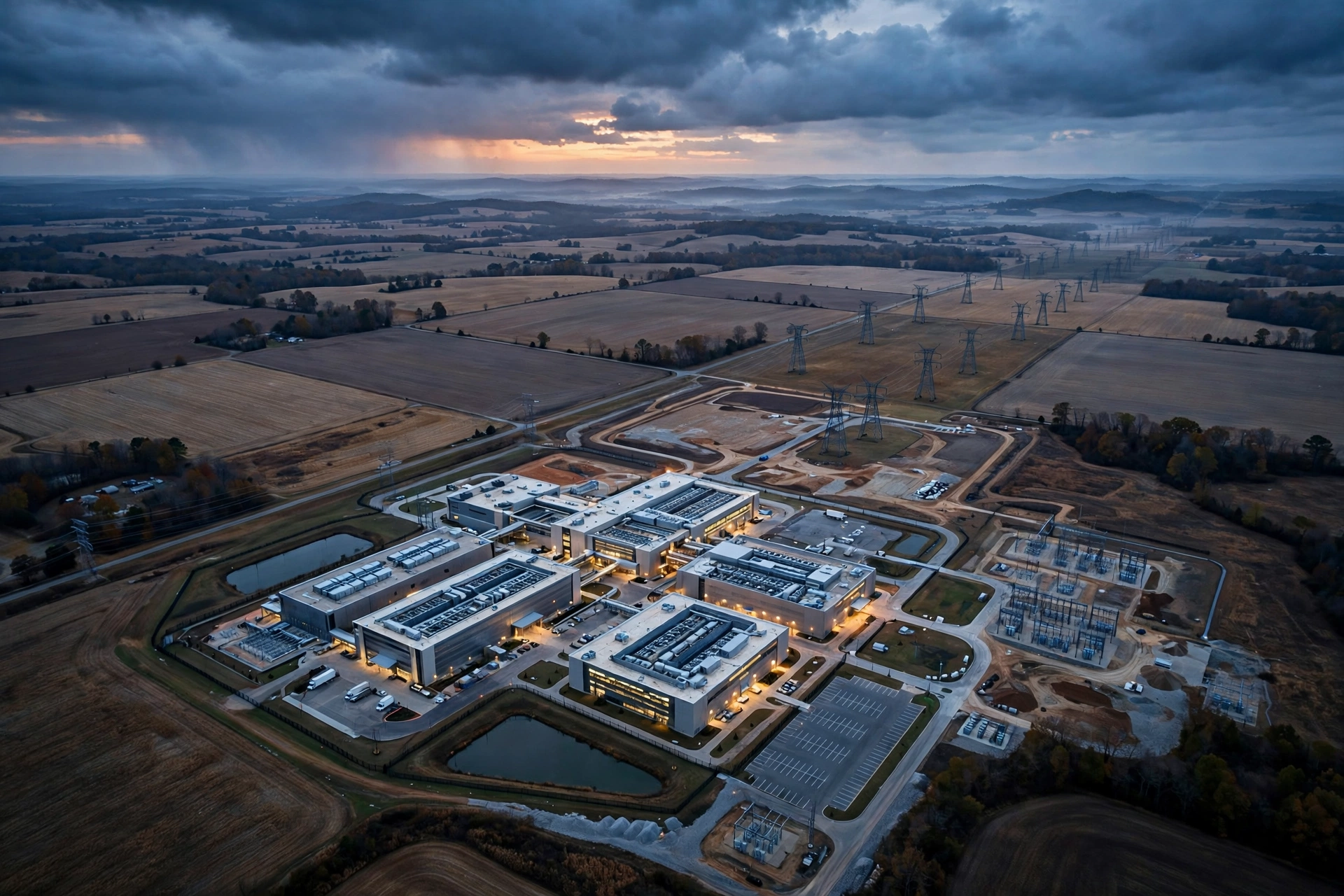
Beyond Georgia, the programme is a plan to make agreements, not yet a set of agreements. OpenAI says it will work with utilities, regulators and policymakers to develop arrangements for future compute campuses, specifying how much demand can be reduced, how quickly and for how long. The terms will differ by location, with the goal of making campus flexibility a resource utilities can call on when communities need it. The company says it will share additional commitments as they are finalised.
That distinction, between a pilot with terms and a programme with a method, is the heart of the story. The November announcement presents the Georgia agreement as a model. It does not, on the material available, name a second campus, a second utility or a second set of figures. The test of the programme will therefore not be the Georgia press release. It will be the second contract: which utility signs, how many megawatts it can call back, how quickly, and how often.
Depending on local needs and available equipment, OpenAI also says it will work with grid operators to supply power from on-site generation or storage, with batteries used to smooth changes in demand. That is a further possibility, not a Georgia commitment stated in the material. Whether future campuses only reduce demand, or also feed power into the grid, remains one of the open questions.
What OpenAI Grid Protectors does not claim
OpenAI is explicit about one limit. The company says campus flexibility cannot replace investment in new energy supply and transmission, and that the programme operates alongside those investments, with the Georgia site’s full infrastructure and electric-service costs paid by OpenAI. That sentence matters because it sets a boundary around the protector label. Flexibility can help at the peak. It cannot, by itself, build the supply and transmission a growing system needs.
The background to the announcement is the context in which that boundary is being drawn in public. Data centre projects in the past year have faced challenges from local communities and lawmakers concerned about rising energy costs, water usage, grid reliability and air pollution. The Grid Protectors Program is, in that context, an answer to a familiar complaint: that ordinary customers end up paying for the power stations and lines that large new loads require. OpenAI’s stated position, reported in the announcement coverage, is that families and small businesses should not be asked to subsidise a compute campus’s electricity needs.
The question to carry forward
None of this makes the Georgia agreement trivial. A utility that can call back up to 1,000 megawatts during high demand has a genuinely useful tool, and a campus that pays its own way, with financial assurances behind it, is a different proposition from a campus that socialises its costs. Georgia Power’s chief executive, Kim Greene, put the intended effect plainly, saying that data centres are paying more so families and small businesses can pay less.
But a tool is only as strong as the contract that creates it. How often may a utility call a reduction, and for how long? What happens to the campus’s workloads during a cut? Does the programme cover capacity OpenAI rents from partners, or only campuses it develops itself? And how much of the projected savings from 2029 belongs to this campus, rather than to the wider portfolio of large new customers? Those questions are not answered by a programme name, however well chosen. They will be answered, one contract at a time, if and when the next campus signs.
Until then, the honest way to read the announcement is as a promise with a pilot. The pilot is real, its terms are written down, and its numbers are checkable. The programme is the promise that the pilot will be repeated. The next agreement will tell us whether that promise is a pattern, or just a particularly well-named exception.