


On election night, the chief executive of OpenAI changed his name on X to “Ram Altman” and started defending himself about computer memory. It was a joke, and it was also a defence. Sam Altman said people should be able to put as much memory as they want in their computers, that his earlier remarks had been taken out of context, and that he has long argued for ramping up memory production. In another reply, he told his critics, in effect, that he wants them to have so much RAM, and urged building more of it.
The performance was winning, as performances go. The problem is the market it was performed in. Memory is scarce, it is expensive, and AI data centres are among the buyers competing for it. That is the tension at the heart of this small, funny, revealing episode: a man who had just argued that scarce memory was being wasted in personal computers spent an evening presenting himself as memory’s greatest friend.
The podcast remark that started it
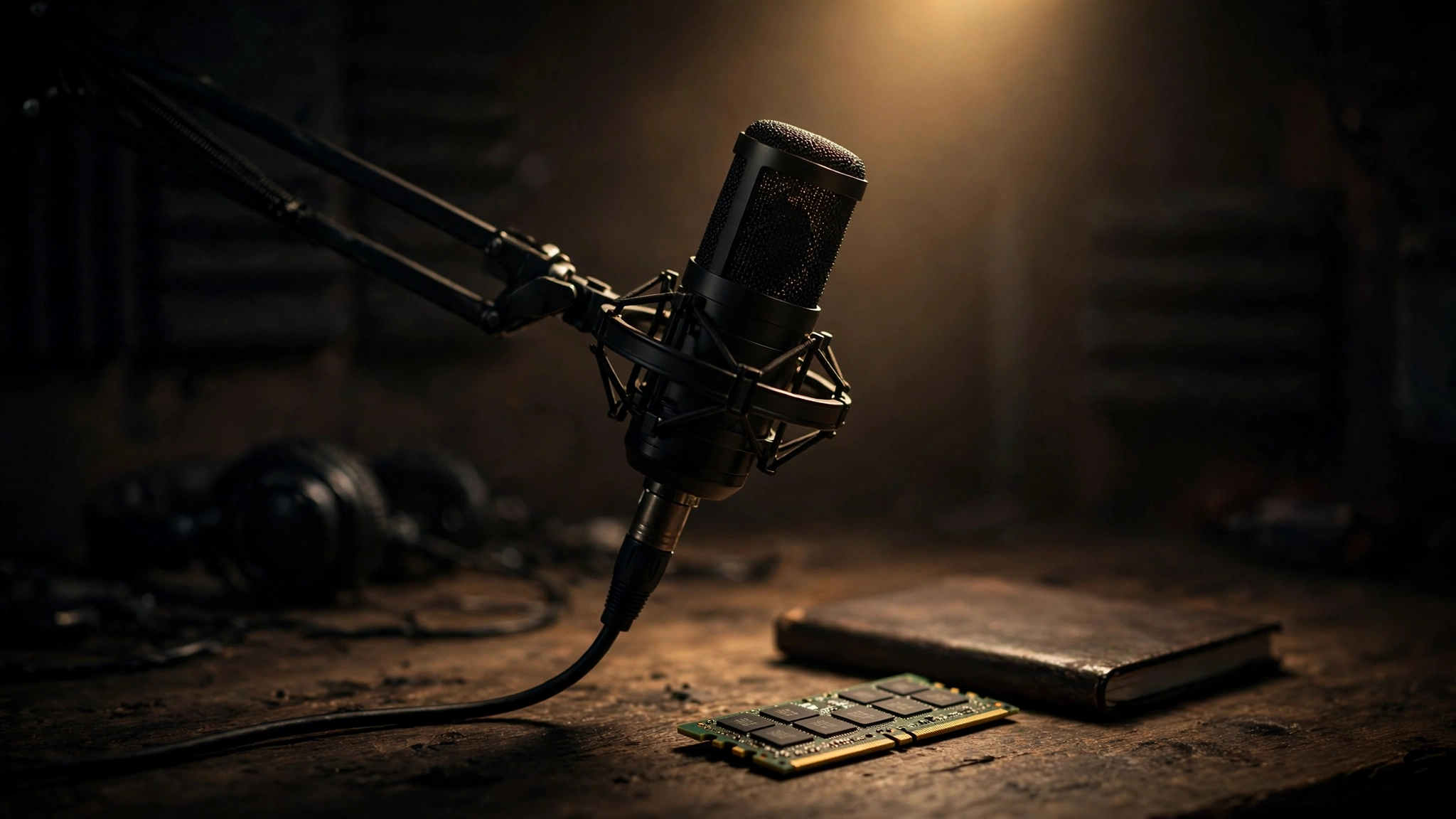
The exchange followed an October 29, 2026 interview on the Cheeky Pint podcast, hosted by John Collison. There, Altman argued that it was a poor use of the world’s limited supply of DRAM — the working memory inside computers, phones and servers — for it to sit largely unused in personal computers. He described that use as “quite terrible,” put the utilisation figure — his own estimate, without a disclosed dataset or method — at about 5 percent of the time, and argued for maximum utilisation in the cloud in a supply-constrained environment.
Read plainly, the argument is about allocation. When a resource is scarce, Altman was saying, it should go where it is used hardest. A data centre running around the clock squeezes more work out of each chip than a home machine that sits idle for much of the day. That is an economic intuition, not a confiscation plan, and the distinction matters: secondary coverage of the interview stresses that Altman did not propose taking anyone’s memory, and announced no policy or programme to restrict what consumers can buy.
But intuitions land differently when they touch something people have just paid too much for. Personal computers are not abstract allocation problems to their owners. They are the machines people work, play and build on, and memory is a part whose price has risen sharply this year. Telling those owners that their memory is being wasted may read as a judgement, whatever the economics behind it.
The “Ram Altman” defence, and what it leans on
Altman’s election-night response tried to reframe the remark rather than repeat it. The earlier comments had been taken out of context, he said. He has long argued for more memory production. Build more memory, and the conflict dissolves: everyone can have as much as they want, and the cloud can have what it needs too.
There is a genuine steelman here, and it deserves to be stated fairly. If supply grows enough, the podcast argument and the election-night promise are not contradictory at all. Idle capacity stops being a problem when there is enough capacity for everyone. Altman’s defence, on this reading, is not a reversal but a clarification: he was talking about a constrained world, and his answer to the constraint is to end it.
That reading has one weakness, though, and it is the same weakness every “just build more” answer has. Building more takes time, and scarcity is happening now. The defence answers the long run while the argument that provoked it was about the present allocation. Until new supply arrives, someone’s memory is still someone else’s shortage, and the question of who gets it first has not gone away.
The squeeze behind the joke
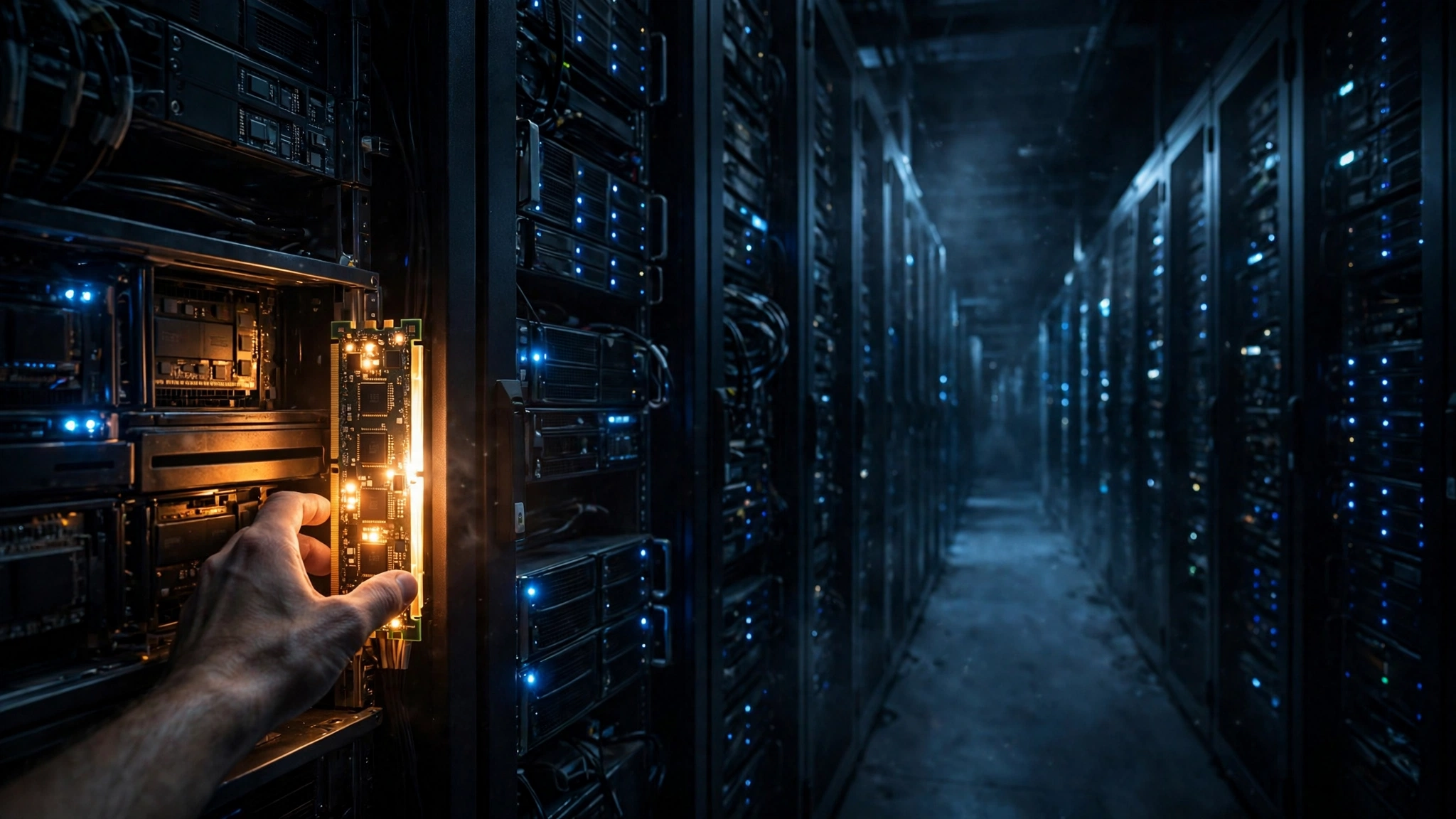
The context The Verge sets around the exchange is blunt: AI data centres have been buying up RAM supply, contributing to shortages, price hikes, and difficulty for ordinary buyers obtaining more memory. The numbers reported elsewhere give that context its sting. Conventional DRAM contract prices — what large buyers pay chipmakers before costs reach store shelves — jumped roughly 93 to 98 percent in the first quarter of 2026 alone, according to TrendForce figures reported by Moneywise. At retail, a 32GB kit of DDR5 was reported by a Tom’s Guide investigation to cost about $500, up from roughly $400 in early April, as reported by Moneywise.
Then there is the figure that hovers over the whole episode without quite being confirmed. In October 2025, OpenAI signed letters of intent with Samsung and SK Hynix to supply memory for Stargate, OpenAI’s data-centre buildout, with projected demand reported at up to 900,000 DRAM wafers a month — as much as about 40 percent of global output, on a TechInsights 2025 production estimate. Those agreements were preliminary, the estimate is an analyst’s, and OpenAI has not publicly broken the numbers down. They should not be presented as confirmed fact, and they do not prove that OpenAI caused the shortage. But they may help explain why Altman’s remarks about where scarce memory belongs drew the reaction they did: the man making the allocation argument leads a company with reported projected demand of up to about 40 percent of global output, on an analyst estimate.
It is important to keep the two halves of that sentence separate. What is confirmed is that Altman made the podcast argument and then defended it on election night. What is reported, with caveats, is the scale of OpenAI’s memory ambitions. Conflating the two would turn a sharp story into an unfair one.
Two ideas, one bridge
Strip away the jokes and the backlash, and Altman’s position comes down to two ideas held at once. First, that in a scarce world, memory sitting unused in personal computers is a waste. Second, that people should be able to put as much memory as they want in their computers. The only bridge between those ideas is the one he kept pointing to on election night: build more memory.
That bridge is real, but it is also doing a lot of work. It has to carry the timing question — how long until new supply eases today’s prices — and the allocation question — who gets scarce memory while everyone waits. Altman’s defence leaves both as unresolved questions. The observable reframing shifts the argument from where memory should go to how much memory there should be — a framing in which generosity about a resource is easier when more of it is promised than when existing supply is being divided.
There is also a caveat the whole episode deserves, and it cuts in Altman’s favour as much as against him. The accessible reporting is partial. The embedded social-media posts were not fully visible, and part of The Verge’s article sits behind a subscription prompt. The full exchange, and the full podcast wording, could soften the apparent reversal. A fair account notes that limit rather than writing around it.
Still, the episode captures something larger than one executive’s evening online. The AI boom has made a once-boring component into a contested resource, and the people building the boom are now also the people publicly defending their views about it. Altman answered with a joke and a promise: call me Ram Altman, and let us build more memory. The joke landed. The promise is the part whose timing remains an unanswered question.