


There is a particular kind of disappointment that only a sequel can deliver. You wait six years, you hear the announcement, and then you look at the thing and think: that is it? A chip bump, some new colors, a glow? That was the first reaction to the HomePod Mini 2, and it was an understandable one. The original arrived in 2020 at $99. The new one costs $149. The speakers inside have not changed. The shape has not changed. What, exactly, is the extra $50 buying?
After a couple of days with two of them in the reviewer’s home office, the answer turned out to be stranger than the announcement suggested. The thing that changed the reviewer’s mind was not a feature at all. It was speed. And the features that were supposed to justify the excitement are, for now, the ones that do not quite work.
The upgrade nobody put on the poster

The Verge’s reviewer went into her first look braced for a shrug. Six years after Apple launched its entry-level smart speaker, the second generation seemed to offer a faster chip, some color and glow features, and better AirPlay — and no upgraded sound system. Then she put a couple of Minis in her home office and used them. Siri, the basic assistant, answered regularly in under three seconds. On her first-generation Mini, she had often waited up to ten.
That is not a glamorous upgrade. Speed looked like a modest chip upgrade at first. But a smart speaker is a device you talk to often, and the difference between three seconds and ten can be the difference between a habit and an irritation. The chip bump that looked like a footnote turned out to be the whole experience. A stereo pair, she reports, sounds very good — even though Apple did not update the speakers themselves.
The feature that would not show up
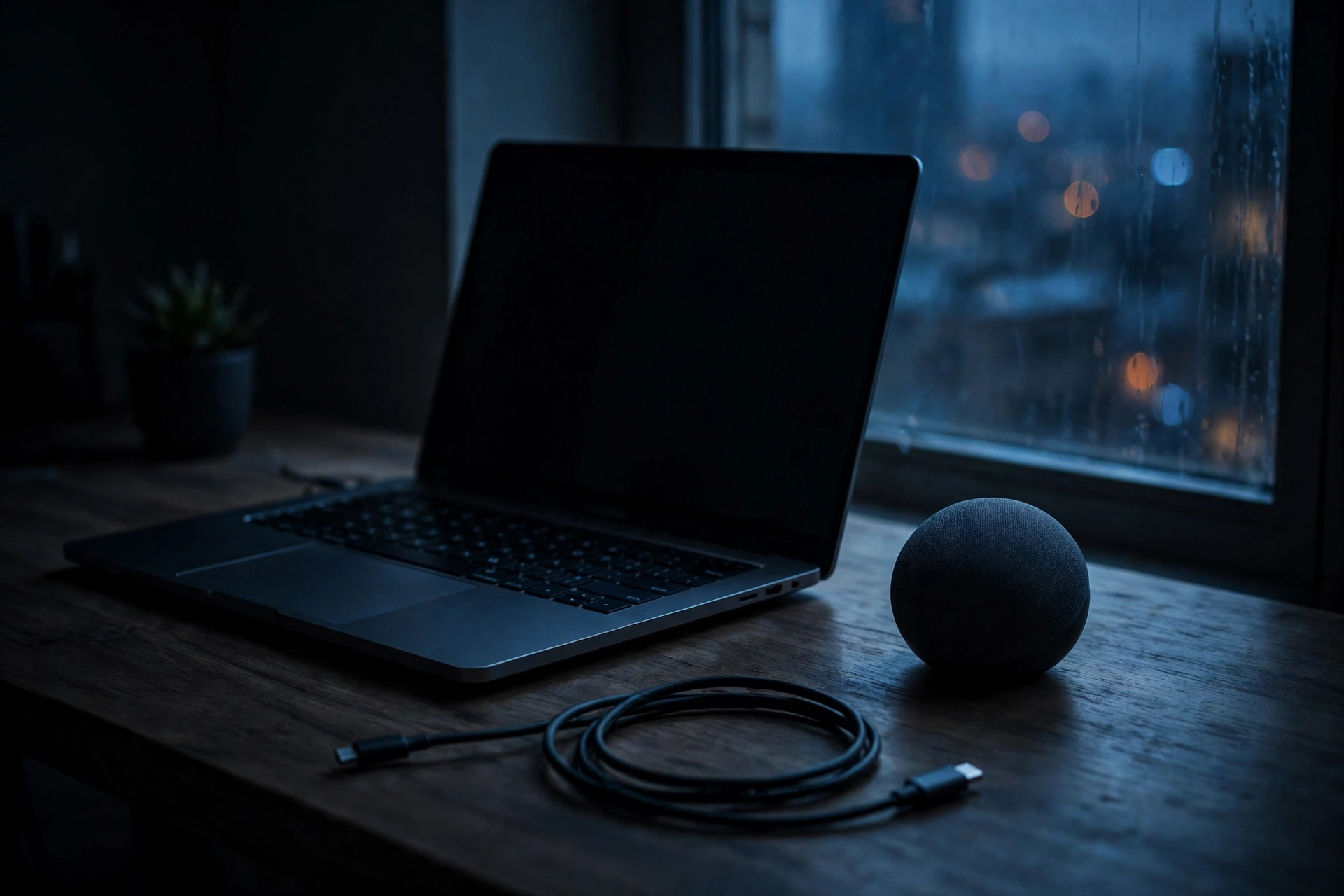
The feature she was excited to try was the one that failed. The Mini 2 can be paired to a Mac as its speaker over what Apple calls a responsive and persistent AirPlay connection — a wireless point-to-point link, for a single speaker or a stereo pair, that is supposed to replace the flakiness of ordinary AirPlay. It is the kind of feature that makes a desk setup make sense: one small speaker, or two, doing the job of computer speakers without wires.
On her setup, it would not enable. She had the required hardware and software: a Mac Mini M4 on the public release of macOS 27.2, and HomePods on HomePod Software 27.2. But the Sound pane in her Mac’s settings offered no option to set a HomePod via AirPlay as the system output. The Mini showed up and connected like any other AirPlay speaker, with the same flaws as regular AirPlay. She reset both HomePods completely after they updated. Nothing changed. She noted other reports of the same issue.
This is where the story gets properly awkward, because another hands-on describes how the feature is supposed to work. A 9to5Mac hands-on of HomePod software 27.2 indicates that with persistent AirPlay enabled, the HomePod Mini should show up as a default system output, and that the feature needs a Mac with Wi-Fi 6E or later. The reviewer’s Mac qualifies. So the gap is between how the feature is described as working and a setup where it simply does not appear. Whether that is a narrow setup problem or a wider launch problem is, for now, unresolved.
HomePod Mini 2: Pay now, software later
Put the two halves together and the Mini 2 starts to look like a specific kind of product: one that charges a premium today for capabilities still to be proven. The Siri AI upgrade — described as the biggest upgrade of all — has not arrived yet either. It is coming later in a software update. So the buyer at $149 gets hardware that is nearly identical to the 2020 original, a genuinely faster everyday assistant, and two headline capabilities that are either pending or, on at least one fully updated setup, not working.
None of this makes the Mini 2 a bad speaker. The first look is, on balance, warm about it: the green finish is praised as the standout finish, the new Home app setting that locks the top touch controls — a fix for anyone who has ever accidentally triggered a nightstand Mini — is welcome and said to apply to all HomePods, and the Sound Glow feature that matches the top LEDs to album art is a nice touch, even if it only works with Apple Music and Apple Podcasts. The complaint is narrower and more interesting than “bad product.” It is that the price asks you to believe in the software roadmap while the hardware in front of you is almost the same as before.
That is a reasonable bet for Apple to offer and a reasonable one for buyers to hesitate over. The speaker that is actually in your home right now is fast, good-sounding, and green. The speaker in the announcement — the one with an AI assistant still to arrive, and a persistent Mac connection that failed on the reviewed setup and remains unproven on other configurations — is still partly a promise. The honest way to judge the Mini 2, on the evidence of this first look, is to value what works today and treat the rest as pending. A full review is planned once Siri AI launches, and that review will be the real verdict. Until then, the Mini 2 is a sequel that got better where it mattered most to its reviewer, and is still waiting, on its newest capabilities, to arrive.